elegant.work
We fix the bleeding.
We find what caused it.
We make sure it doesn’t come back.
We redesign with the people who live with it.
We leave your team more capable than we found them.
We build ourselves out.
You see the thinking before you pay.
The first engagement is small, fixed, and built to prove itself.
We tell you what we actually see.
Most firms do one of these.
We do all of them.
That is what makes this work.
And elegant.
Something in the company is stuck, and it's costing you money.
The obvious next moves all sound plausible, whether that's another consultant, another tool, a reorg or a senior hire, and none of them feels quite trustworthy yet.
- A COO whose team keeps solving the same problem in a different form every quarter.
- A founder who has hired consultants before, and the structure still hasn't changed.
- A managing director who knows AI matters, and also knows that another tool on top of a messy system won't save anyone.
- A team that knows something is wrong and cannot name what it is.
Before you hire, reorganise or call anyone in, give us ten minutes. Tell us one thing that keeps bugging you, one situation that actually happened, and you get a written read back on where we think it starts and what would prove us wrong. It's free, and you see the thinking before you pay for anything.
What looks broken is rarely where the cause is.
Anyone who's had a bad back knows the pain can turn up in the leg, and rubbing the leg does nothing. Companies work the same way. One decision, made the same way every week, shows up first as a slipped launch, then as an overloaded team, then as a hiring request, then as a "culture issue", and every stop gets its own budget line. By the time the problem has a name it has usually moved twice, so the place everyone treats is where the pain ended up, and almost never where it's made. Our job is to walk upstream along that line, from where it shows up to where it starts.
The patternStart with a door.
Nobody should pay for the deep work up front, and the trust for it gets earned by delivering something valuable quickly. That's what the doors are: pieces of work that fix something you can feel, fast, and that are worth having even if you stop right there.
- A growth engine: your website tied to sales, read against your CRM every Monday.
- Marketing agents, with a person approving anything that touches your brand or your spend.
- A front door: your site moved off WordPress with nothing lost, and your team changing pages by asking.
- One place for what your company knows, so it stops living in one head.
- An AI chief of staff for a founder.
- An AI working session for your team.
Most of them are technical, because that's where we can prove value fastest. Every door has a fixed price, agreed before we start, and small enough that you can decide it alone. We tell you the number in the first conversation. When it's finished, what we built is yours, there's no retainer and you owe us nothing more, and you get a short note on what we noticed underneath and why we think it keeps coming back. Which door is yours, we find out in a conversation, or the read tells us.
See the doorsEvery door is where the walk upstream starts.
Solve the presenting problem
We fix the bleeding first, so people feel the difference.
See what is underneath
While we fix it, we find out what caused it.
Redesign with your team
The people who live with it help redesign it.
Build ourselves out
We make it run without us, then hand it over.
Solve the presenting problem
We fix the bleeding first, so people feel the difference.
See what is underneath
While we fix it, we find out what caused it.
Redesign with your team
The people who live with it help redesign it.
Build ourselves out
We make it run without us, then hand it over.
The first two happen inside every door. The last two happen only if you ask, each priced on its own, and they end with a test that is simple and slightly brutal: if elegant.work disappeared tomorrow, would the thing keep running, would your people understand it, and could another competent person improve it? If not, we're not finished.
What happens after we leaveWhy consulting usually works on the leg.
That is the one problem behind most of what people hate about consulting: a firm paid by the hour, for the rescue, is paid where the pain shows up, so that is where it works, and nothing in the deal ever makes it walk upstream to where the problem is made. Nobody's a villain here; it's what the business model does to people. We're paid a fixed price for a defined result. There's no hourly billing, so we have no reason to slow down, and no retainer, so we have no reason to keep finding problems. That doesn't make us immune. It gives us different blind spots.
What you sell shapes what you can seeWhere the money goes.
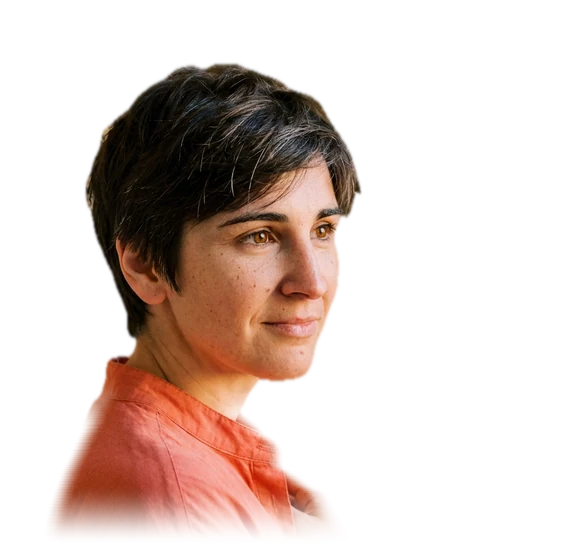
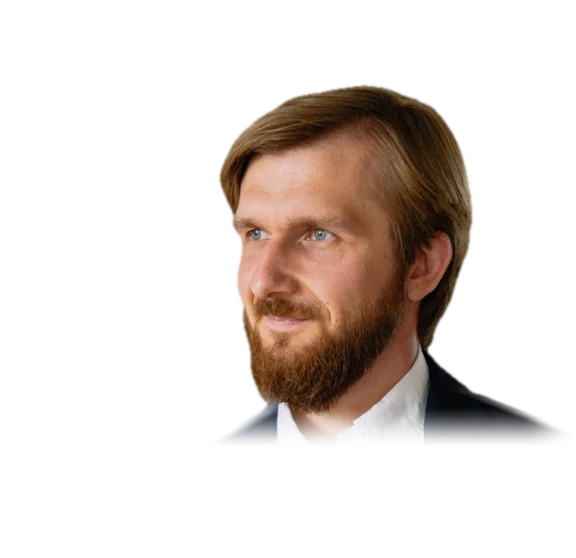
The eight of us on this page live between Portugal and Poland and near Boston, and every one of us has spent years doing real work in the real world, with our own hands. We are not consultants. We're the opposite of consultants, which, on a site that sells consulting, is a certain irony. elegant.work is the consulting arm of elegant.earth. Excess profit goes into the bioregional work behind it: théra, a hub Maria-Elena Daynes started in France and Carsten helped build, and a second one now being prepared in Friesland. The bet is that doing it right is also the most profitable way to do it.






What's the one thing on your plate right now that keeps getting pushed to tomorrow?
Talking live, person to person, is the fastest way we know to find out where the leverage is. Three ways to start, all of them fine:
No client names yet. Ask for a reference call.